Composting in Louisiana is not the same as composting in Minnesota. The Gulf South climate — hot, humid, with frequent heavy rain — affects every stage of the process in ways that most composting guides completely ignore. Done right, Louisiana's climate actually speeds up composting dramatically. Done wrong, you end up with a wet, smelly, anaerobic pile of sludge that attracts every pest in the parish.
This guide is written specifically for Gulf Coast conditions: how to manage moisture in a climate that gets 60+ inches of rain per year, how to prevent the heat from drying out your pile between rainstorms, and what to add and avoid in a subtropical environment where certain materials break down very differently than they do in cooler climates.
The Louisiana Composting Advantage: What takes 6–12 months in northern states takes 6–10 weeks in a Gulf South summer with proper management. Louisiana's heat and microbial activity are genuinely exceptional for composting — you just have to manage them correctly.
Choose the Right Location for Louisiana's Climate
In cooler climates, composters put their pile in full sun to maximize heat. In Louisiana, that strategy bakes the pile dry within days between rain events. Instead:
- Choose a spot with partial shade — morning sun is fine, but afternoon shade from a tree or fence prevents excessive drying.
- Place the bin directly on soil (never concrete or pavers) — beneficial organisms and worms need to access the pile from below.
- Avoid low-lying spots that collect standing water after Louisiana's heavy afternoon thunderstorms — a waterlogged compost pile goes anaerobic quickly.
- Keep it accessible — you'll be adding material year-round in Louisiana's extended growing season.
Choose Your Method — Louisiana's Options
Not all composting methods work equally well in the Gulf South. Here's how the common options perform in our climate:
- Enclosed plastic bin: Works well. Retains moisture better than open heaps during dry spells. In summer, add extra browns to prevent overheating and anaerobic conditions. Widely available at hardware stores for $30–60.
- Open wire cage or pallet bin: Works if you have the space. Dries out faster in summer heat, requiring more frequent moisture checks. Better airflow means less odor risk.
- Tumbler composter: Excellent for Louisiana. The enclosed drum manages moisture and temperature better than open systems. Turns easily to add oxygen — the biggest factor in maintaining an aerobic pile in our humid conditions. More expensive ($80–200) but worth it for odor management in a residential neighborhood.
- Open heap: Works in large gardens but needs a dedicated management routine. Louisiana's frequent rain can saturate it rapidly; a simple tarp or corrugated metal cover helps significantly.
Balance Greens and Browns — With Louisiana Specifics
The standard 50/50 green-to-brown ratio applies here, but some materials are specific to the Gulf South growing environment.
✓ Excellent Louisiana Greens
- Spent okra plants and pods
- Southern pea shells and vines
- Vegetable and fruit kitchen scraps
- Coffee grounds (plentiful in a New Orleans household)
- Grass clippings (avoid if lawn was treated with herbicide)
- Sweet potato vines
- Fresh garden weeds (before they set seed)
✓ Excellent Louisiana Browns
- Pine straw — the ideal Louisiana brown. Widely available, breaks down at a good rate.
- Live oak leaves — abundant in fall/winter
- Cardboard and newspaper (shredded)
- Spent potting mix from containers
- Sugarcane bagasse (available from agricultural suppliers in Louisiana)
- Pecan shells (slow to break down but excellent long-term)
✗ Never Add These
- Meat, fish, dairy — attracts pests; worse in Louisiana where raccoons, possums, and rats are common
- Diseased plant material — especially tomato blight, which can survive composting
- Invasive plants with runners — torpedo grass, nutgrass/nutsedge (will survive and spread)
- Citrus in large amounts — slows decomposition and can affect pH
- Pet waste — risk of pathogens
- Anything treated with persistent herbicides
Nutsedge (nutgrass) is one of Louisiana's most persistent weeds. Its tubers survive composting and will sprout when you spread finished compost on your beds. Never add nutsedge to your compost pile — bag it and discard it. The same applies to torpedo grass, a common Louisiana lawn invasive.
Managing Moisture in Louisiana's Climate
Louisiana's rainfall is the biggest compost management challenge. After a 2-inch thunderstorm, an uncovered pile can become saturated and anaerobic within hours. Between storms, summer heat can dry the surface out rapidly even while the interior stays wet.
- Cover your pile or bin during heavy rain events — a simple tarp anchored around the top prevents saturation.
- After heavy rain, turn the pile to re-introduce oxygen and allow excess moisture to evaporate.
- During dry spells in summer (which happen even in Louisiana), add a bucket of water when turning if the pile feels dry 4–5 inches down.
- Target moisture: the pile should feel like a wrung-out sponge — damp throughout but not dripping.
Turn More Often in Louisiana's Heat
In a Gulf South summer, an active pile can reach 140–160°F internally — hot enough to kill pathogens and weed seeds, but also hot enough to slow or kill the beneficial organisms driving decomposition if it gets too hot and dry. Turning every 5–7 days during summer keeps temperatures in the ideal 130–150°F range, ensures even decomposition, and introduces the oxygen that keeps the pile aerobic and odor-free.
Recognizing Problems — Gulf South Specific Issues
- Pile smells like ammonia: Too many greens, too hot, possibly too wet. Add pine straw or cardboard, turn thoroughly, and cover.
- Pile smells like rotten eggs: Anaerobic (oxygen-depleted) — usually from too much moisture after heavy rain. Turn immediately and add dry browns.
- Fire ants have moved in: A Louisiana-specific problem. The pile is probably too dry — fire ants prefer dry, warm conditions. Water it and turn it; the activity will drive them out. Treat the mound directly if they persist.
- Flies and gnats: Food scraps exposed on the surface. Bury all kitchen scraps under a layer of browns each time you add them.
- Pile isn't breaking down: In Louisiana, this usually means too many browns (pine straw without enough greens) or too dry. Add kitchen scraps or fresh grass clippings and water.
When Is It Ready — and How to Use It
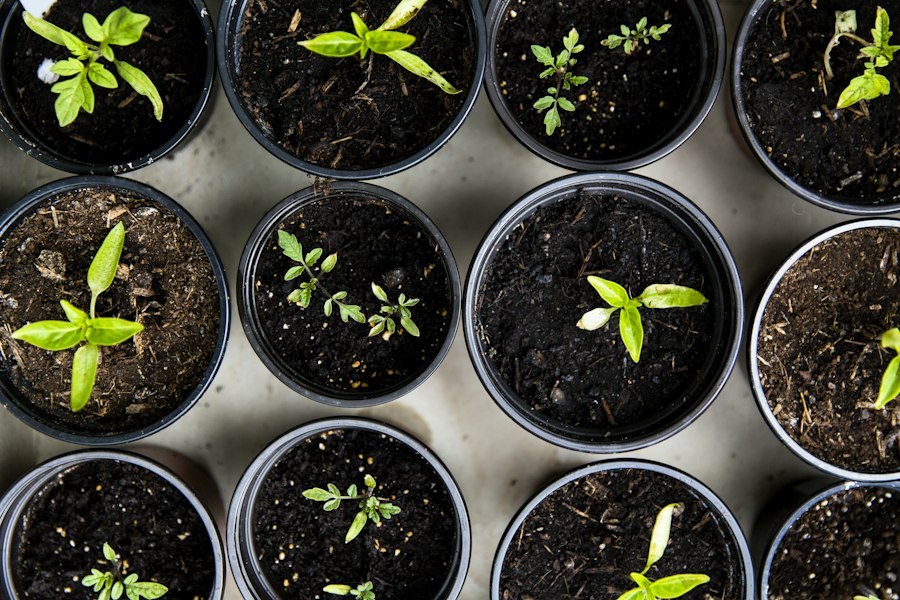
Finished Louisiana compost is dark brown, crumbly, smells like rich forest soil, and has no recognizable material left in it. In summer with active management, this takes 6–10 weeks. In a slower winter pile, 3–4 months. Use it as:
- A 2–3 inch top dressing mulch worked into the surface of garden beds before planting
- Mixed 50/50 with sandy loam to fill new raised beds
- Added to container potting mix at about 25% by volume to improve moisture retention
- A liquid "compost tea" — steep a shovelful in a bucket of water for 24–48 hours and use as a liquid fertilizer drench
Disclaimer: Composting timescales and outcomes vary based on materials used, management frequency, and local weather conditions. The timings in this guide are approximate and based on Gulf Coast subtropical conditions. Results may vary.